
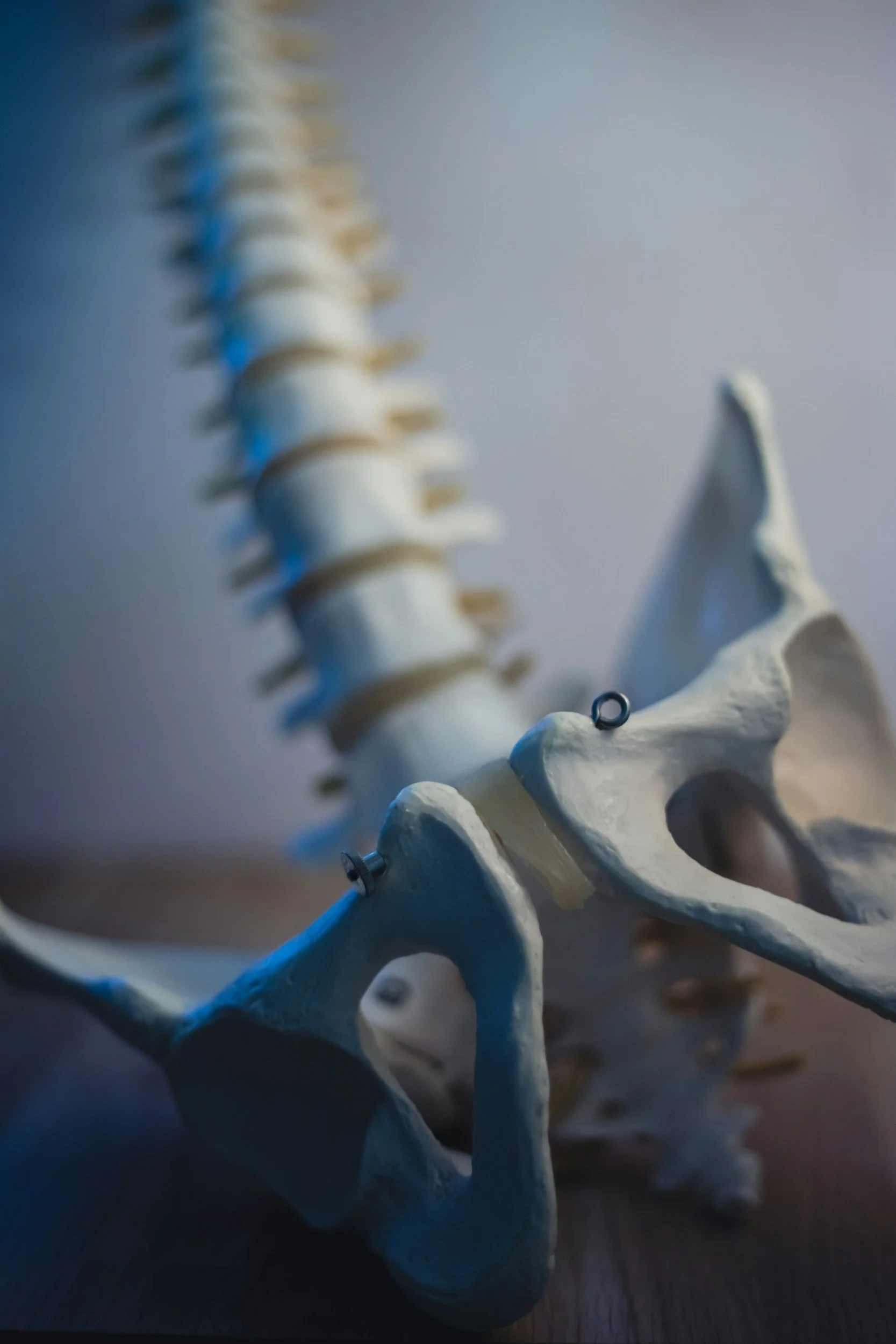
Pelvic Pain
Pelvic pain may be felt in the lower abdomen, pelvis, hips, groin, tailbone, or genital region. Symptoms can be constant or intermittent and may worsen with sitting, exercise, urination, bowel movements, or sexual activity. Our pelvic pain treatment focuses on identifying contributing factors such as muscle tension, joint dysfunction, nerve irritation, central nervous system response, and movement impairments.
Dyspareunia or Painful Intercourse
Pain during or after intercourse can have multiple causes, including pelvic floor muscle tension, scar tissue restrictions, hormonal changes, nerve sensitivity, and pelvic pain conditions. A personalized treatment approach can help reduce pain and improve comfort.
Vaginismus
Vaginismus involves involuntary tightening of the pelvic floor muscles, which can make vaginal penetration difficult or painful. Physical therapy helps patients gradually improve pelvic floor relaxation, reduce sensitivity, and build confidence through education and progressive treatment techniques.
Prostatitis and Chronic Pelvic Pain Syndrome
Men experiencing pelvic pain, urinary symptoms, genital discomfort, testicular pain, or persistent tension in the pelvic region may be diagnosed with prostatitis. If prescribed antibiotics with no change in symptoms following the prescribed course, pelvic floor physical therapy is often the missing piece of the puzzle. The pelvic floor muscles may be holding tension and causing referred pain to the genitals or anus. Treatment addresses muscle dysfunction often via internal manual therapy with consent, nerve irritation, movement patterns, and contributing lifestyle factors.
Our Treatment Approach
Every patient receives a thorough evaluation to understand the factors contributing to their symptoms. Treatment may include:
Pelvic floor muscle assessment and rehabilitation
Manual therapy and soft tissue mobilization
Internal pelvic floor treatment, when appropriate and with consent
Nervous system and pain management strategies
Breathing and pressure management techniques
Bladder and bowel retraining
Mobility, strength, and movement-based rehabilitation
Education on lifestyle, posture, and symptom management
Home exercise programs tailored to your goals.