
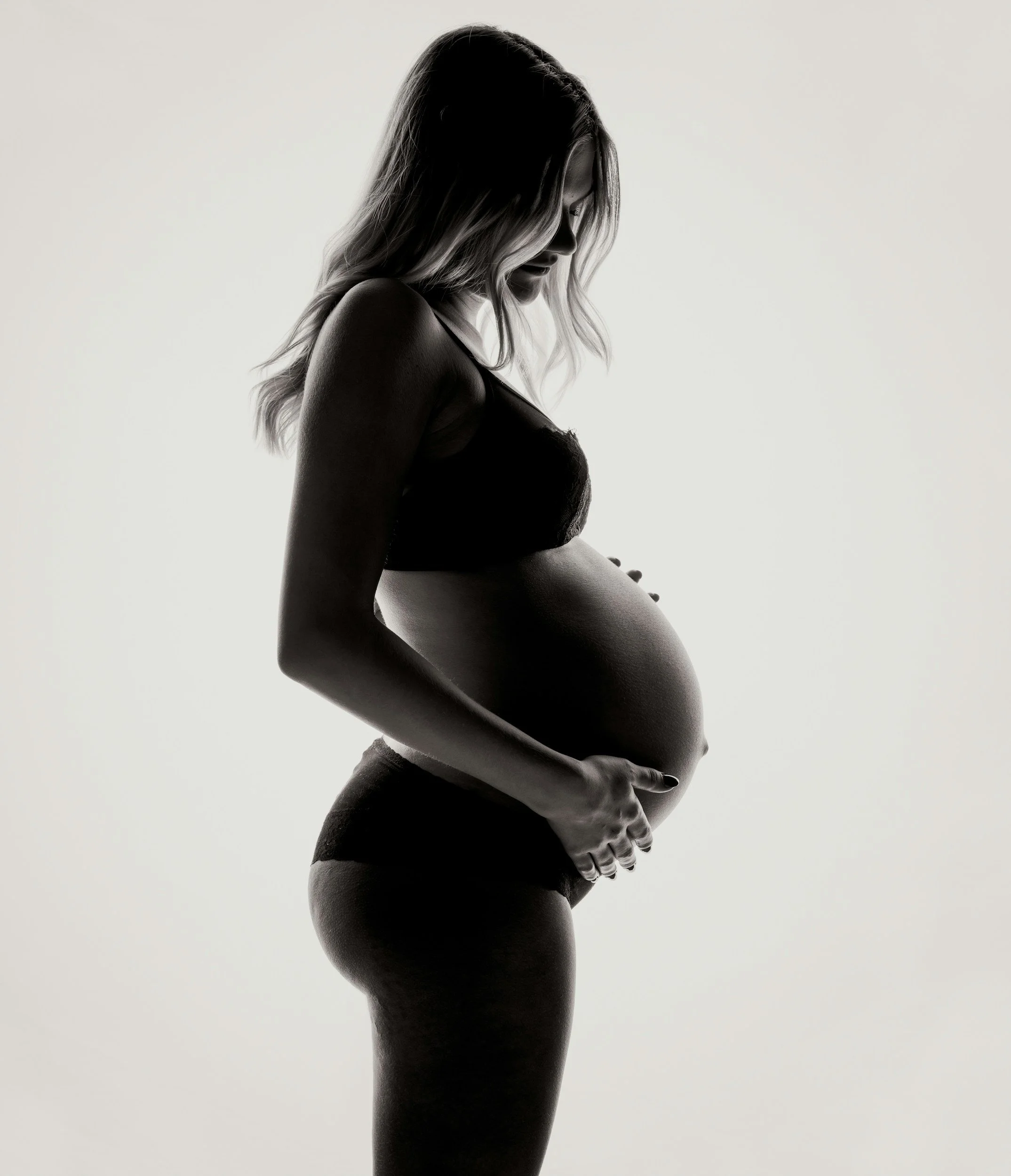
Pregnancy and Postpartum
Pregnancy, childbirth, and the postpartum period place significant demands on the body. While many physical changes are normal, pain, discomfort, and pelvic floor dysfunction should not be accepted as merely "part of pregnancy" or motherhood. Prenatal physical therapy can help you stay active during pregnancy, prepare for delivery, facilitate a smooth C-section recovery, and confidently return to the activities you love after giving birth.
Low Back and Pelvic Pain
As your body adapts to accommodate a growing baby, changes in posture, joint mobility, and muscle function can lead to low back pain, sacroiliac (SI) joint pain, pubic symphysis and pelvic girdle pain. Symptoms may include aching, instability, difficulty walking, or pain with daily activities, and these issues can persist well after childbirth, affecting postnatal recovery.
Hip Pain
Changes in movement patterns and joint loading during pregnancy can result in hip discomfort, especially while walking, sleeping, exercising, or transitioning between positions.
Round Ligament and Abdominal Pain
As the uterus expands, the stretching of surrounding tissues may create sharp or pulling sensations in the lower abdomen and pelvis. Physical therapy can improve your movement strategies, reducing unnecessary strain.
Pelvic Floor Dysfunction
Pregnant individuals may face issues like urinary leakage, urgency, pelvic pressure, or feelings of heaviness. Early assessment and treatment for pelvic floor dysfunction are crucial to optimizing function throughout pregnancy and preventing symptom exacerbation postpartum.
Rib, Mid-Back, and Postural Pain
Changes in breast size, abdominal growth, and overall posture can contribute to discomfort in the ribs, upper back, neck, and shoulders. Breast and bottle feeding frequency can also lead to neck and back pain. Targeted mobility and strengthening exercises can provide postpartum pain relief.
Diastasis Recti
It is common for the abdominal muscles to separate during pregnancy. This can lead to other issues such as back pain and pelvic floor dysfunction if left unchecked. We assess abdominal function and guide safe, progressive rehabilitation to enhance core strength, stability, and overall function.
Cesarean Section Recovery
After a C-section, scar tissue restrictions, abdominal weakness, pain, and movement limitations can complicate recovery. Physical therapy plays a pivotal role in restoring mobility, strength, and confidence while supporting tissue healing.
Perineal Pain and Birth Recovery
Individuals recovering from vaginal delivery may experience pelvic pain, sensitivity to scar tissue, discomfort while sitting, painful sex or trouble returning to exercise.
Neck, Shoulder, and Wrist Pain
Feeding, carrying, lifting, and caring for a newborn can lead to repetitive stress on the upper body. We frequently address neck pain, shoulder pain, wrist pain, and postural strain associated with new parenthood.
Birth Preparation
Giving birth is a physically challenging process. Childbirth classes provided by the institution you chose for your birth often leave out crucial information and physical training for the actual birth process. We offer birth preparation sessions to empower you in the birth process, give you tools and strategies to make the process as smooth as possible, and give you more confidence leading up to your baby’s big debut.
Return to Exercise and Sport
Whether your goal is walking comfortably, getting back to strength training, running, or competing in sports, we create a safe and progressive plan tailored to your unique recovery and objectives.
Our Treatment Approach
Every treatment plan is customized to your symptoms, stage of pregnancy or recovery, and activity goals. Your care may include:
Comprehensive movement and functional assessments
Pelvic floor evaluation and rehabilitation when appropriate
Individualized exercise programs
Core and deep abdominal retraining
Strength and stability training
Manual therapy techniques to enhance mobility and alleviate pain
Breathing and pressure-management strategies
Education and training on posture, body mechanics, lifting, and childcare-related activities
Expert guidance for a safe return to exercise, running, and sports
Expert guidance for physical birth preparation